In the modern threat landscape, reactive security measures are no longer sufficient. Organizations that wait for alerts and incidents to occur before taking action find themselves perpetually behind sophisticated adversaries. Threat intelligence driven cyber operations represent a paradigm shift toward proactive defense, enabling security teams to anticipate, prepare for, and neutralize threats before they materialize.
The concept of beating hackers at their own doorstep involves understanding the adversary’s tactics, techniques, and procedures (TTPs) and using that knowledge to build resilient defenses. This approach transforms security from a cost center into a strategic advantage.
The Threat Intelligence Lifecycle
Effective threat intelligence follows a structured lifecycle that ensures raw data is transformed into actionable insights. This lifecycle consists of five key phases that work in a continuous feedback loop:
- Collection — Gathering data from multiple sources including open-source intelligence (OSINT), dark web monitoring, industry sharing groups (ISACs), commercial threat feeds, and internal telemetry from SIEM and EDR platforms.
- Processing — Normalizing, deduplicating, and enriching raw data to make it usable. This includes correlating indicators of compromise (IOCs) with known threat actor profiles and mapping them to the MITRE ATT&CK framework.
- Analysis — Applying human expertise and machine learning to processed data to identify patterns, assess risk, and generate intelligence products tailored to different stakeholders from SOC analysts to executive leadership.
- Dissemination — Distributing finished intelligence to the right teams at the right time through automated feeds, briefings, and integrated security tooling.
- Feedback — Evaluating the effectiveness of intelligence products and refining collection priorities based on operational outcomes and evolving threats.
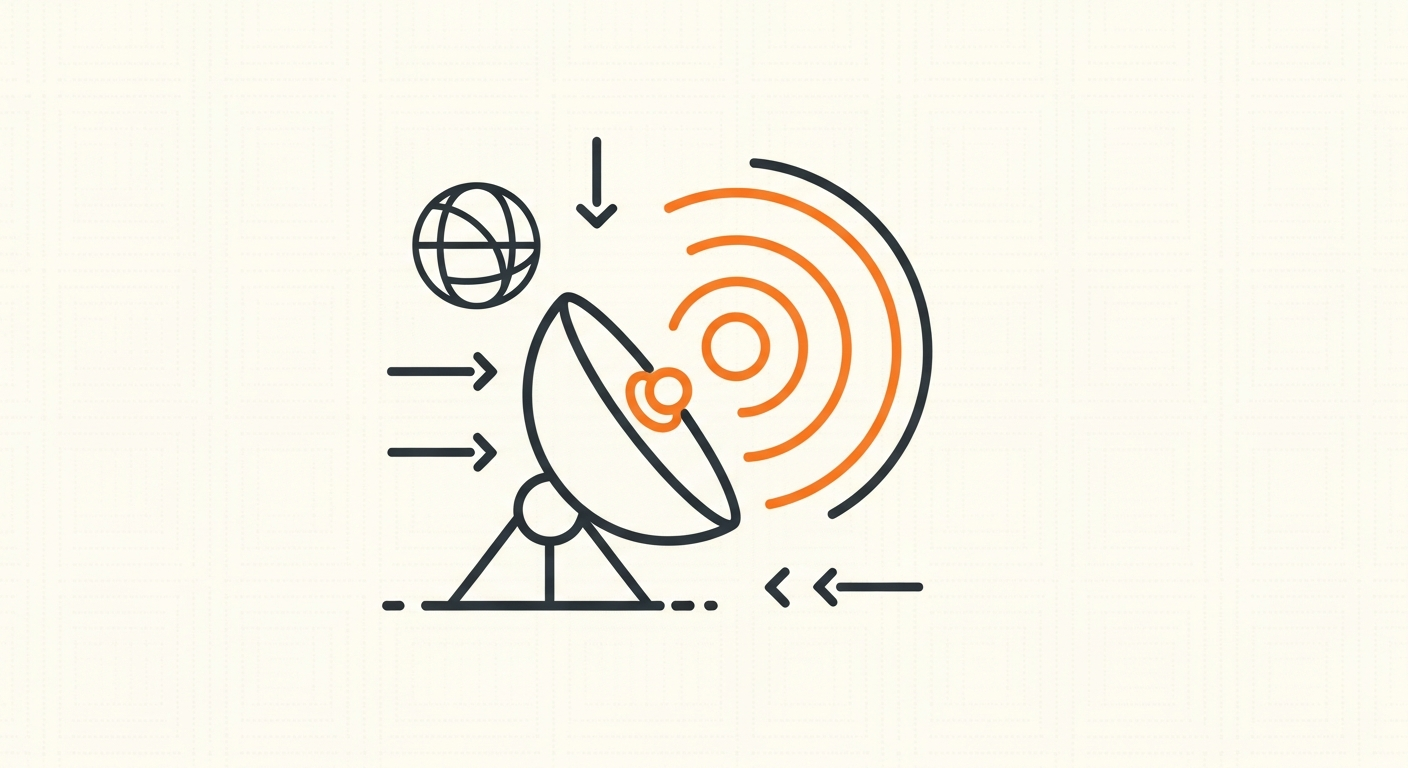
Figure 1: The five phases of the threat intelligence lifecycle powering proactive cyber defense.
AI-Driven Real-Time Monitoring
Modern threat intelligence platforms leverage artificial intelligence and machine learning to process massive volumes of threat data in real time. AI-driven monitoring enables organizations to detect emerging threats within minutes rather than days, dramatically reducing the window of exposure.
Machine learning models trained on historical attack data can identify anomalous patterns that human analysts might miss, including subtle indicators of reconnaissance activity, credential stuffing attempts, and lateral movement within networks. When combined with automated response playbooks, these systems can contain threats before they escalate.
“The best time to stop an attacker is before they reach your perimeter. Threat intelligence makes this possible by illuminating the adversary’s playbook.”
Building a Threat Intelligence Program
- Define Intelligence Requirements — Start by identifying what threats matter most to your organization based on industry, geography, technology stack, and threat landscape.
- Invest in Collaboration — Join industry sharing communities and establish relationships with law enforcement and government agencies for bidirectional intelligence sharing.
- Integrate with Security Operations — Embed threat intelligence into your SOC workflows, SIEM rules, and incident response playbooks for maximum operational impact.
- Measure and Iterate — Track metrics such as mean time to detect, false positive reduction, and threat prevention rates to continuously improve your program.
Key Takeaways
Threat intelligence driven operations are essential for organizations seeking to move from reactive to proactive security postures. By understanding the adversary and leveraging the intelligence lifecycle, security teams can anticipate attacks, reduce response times, and protect critical assets more effectively.
The investment in threat intelligence capabilities pays dividends through reduced breach risk, faster incident response, and improved security decision-making at every level of the organization.